Most leopard gecko problems I see in rescue inboxes come down to two things: wrong belly heat and a diet that's too fatty. This leopard gecko care guide is the exact routine I run now—not the generic pet-store version. In the first 100 words, here's the short answer: 30–32°C hot spot, 24–26°C cool side, no loose sand for juveniles, live insects dusted with calcium, and a 12-hour light cycle. Everything below is how to actually pull that off without guessing.
What I'd check first (jump links)
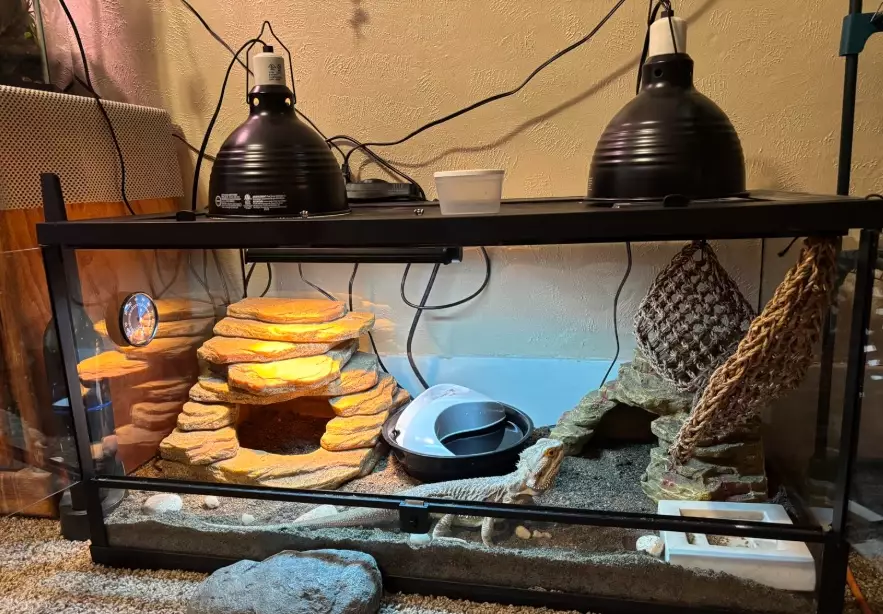
The Enclosure Setup That Actually Works
I once kept a juvenile leopard gecko on a heat mat under a thin layer of sand. He ate fine for three weeks, then stopped. The fix wasn't a vet visit—it was moving the mat under a slate tile and giving him a proper warm hide. That's the gap in most leopard gecko setup advice: the heat source matters less than how it transfers.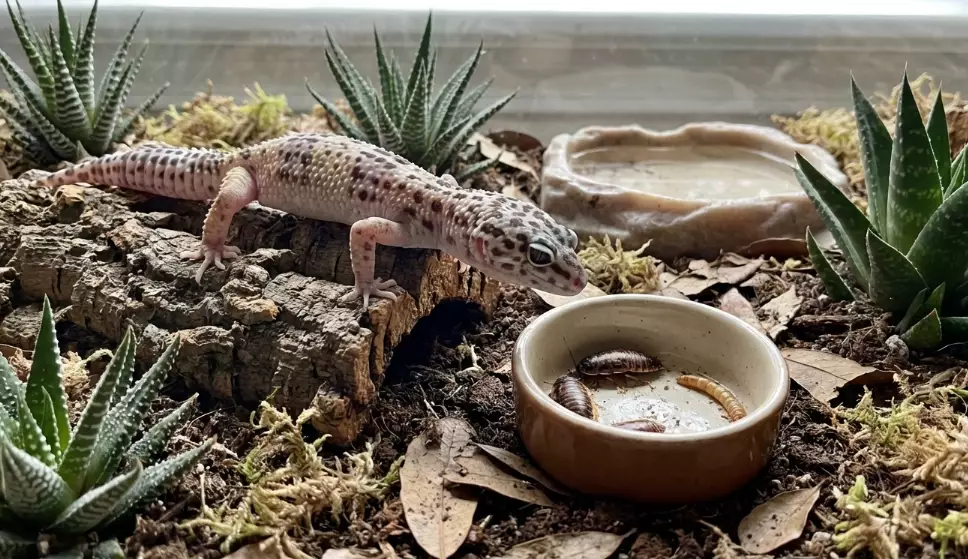
What are the exact temperatures for a leopard gecko?
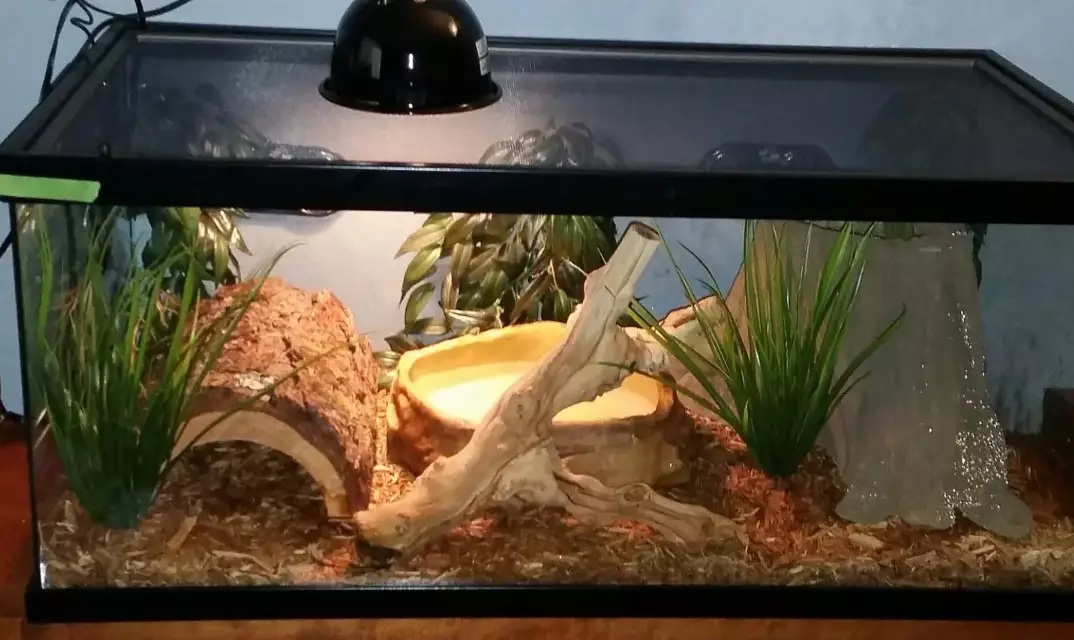
Use a digital thermometer with a probe. Place the probe on the floor of the hot hide. Aim for 30–32°C there, and 24–26°C on the cool side. Ambient air can sit at 26–28°C. Night drop to 22°C is fine. I don't use colored bulbs—they still disturb sleep. A simple under-tank heater (UTH) on a thermostat, or a deep heat projector on a dimmer, does the job.
| Item | What I use | Why it matters |
|---|---|---|
| Enclosure size | 90×45×45 cm for adults | Juveniles do fine in 60×40×40 cm, but adults need floor space for a proper heat gradient. |
| Substrate | Paper towel for new geckos; slate tile or topsoil-sand mix for adults | Loose sand risks impaction in juveniles. I've seen it twice—both times the keeper thought sand was natural. |
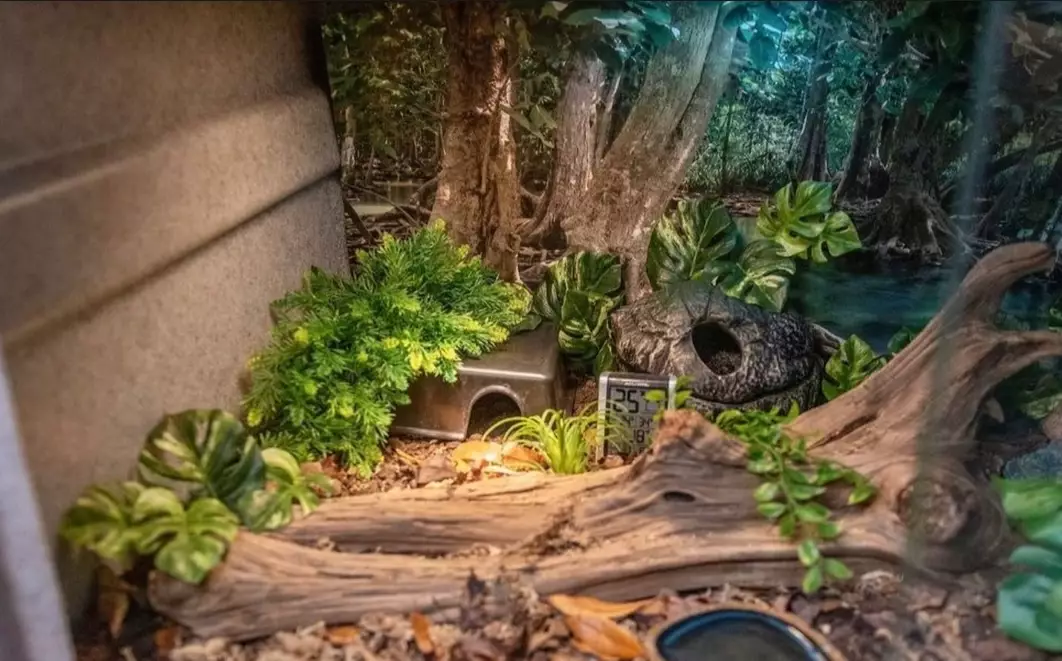
| Hides | Warm hide, cool hide, humid hide with damp sphagnum | The humid hide prevents stuck shed. Skip it and you'll deal with toe loss. |
| Thermostat | On/off thermostat for UTH; dimmer for deep heat projector | An unregulated heat mat can hit 40°C+ and cook your gecko. |
Here's a micro-detail that took me years to tune in: put the warm hide directly over the heat mat, with a thin slate tile between the mat and the substrate. The slate spreads heat evenly. Without it, the floor inside the hide gets a hot spot of 35°C+ while the edges stay cool. Your gecko will sit pressed against the glass, not on the floor.
What most guides get wrong: they say “use a heat mat” but don't mention the thermostat probe placement. Tape the probe to the mat's surface, under the tile, not dangling in the air. Air temperature reads 22°C while the floor burns.
Diet and Feeding: What Most Guides Miss
My first leopard gecko ate mealworms for six months straight because that's what the pet store sold me. He got fat, sluggish, and had a mild vitamin A deficiency. Live crickets and dubia roaches should be the base of the leopard gecko diet—not mealworms. Mealworms are fine as a treat once a week. Waxworms? No. I don't care what the label says.
How often should you feed a leopard gecko?
Juveniles: 5–6 small insects every day or every other day. Adults: 5–7 insects two or three times a week. I weigh my adults monthly with a kitchen scale. A healthy adult male sits around 60–80 grams; females 50–70 grams. Weight drops sharply in winter even with heat—that's brumation, not starvation. Don't force-feed.
Dusting schedule I actually follow: calcium with D3 twice a week, plain calcium once a week, multivitamin once every two weeks. If your gecko gets natural sunlight through a window (UVB doesn't pass glass, so this is just for light cycle), skip the D3 dust. Too much D3 is worse than too little.
One non-consensus call: I don't use feeding tongs for every insect. Hand-feeding creates a strong feeding response, but it also makes some geckos lazy and dependent. I drop crickets in a smooth-sided dish and let the gecko hunt. Hunting keeps the muscles in the jaw and neck active. The exception is a sick or recovering gecko—then it's tongs only until they're back on their feet.
How to Catch Health Problems Early
Stuck shed on toes is the first sign of a humid hide that's too dry or too small. I check toes every Sunday. If the tip of the toe looks white and papery, soak the gecko in shallow 28°C water for 10 minutes and gently peel with a wet cotton swab. Don't pull. You'll tear the skin.
Another early warning: stringy, pale feces. That's often a sign of parasites or low temperatures slowing digestion. Check the hot spot first. If the floor is 30°C and the feces still look off, get a fecal float from an exotic vet—not a general vet. I learned that the hard way when a general vet prescribed a dewormer that was too harsh for a 25-gram juvenile.
Metabolic bone disease (MBD) shows up as a soft jaw or tremors. It's rare if you dust correctly, but I still see it in rescue geckos that were kept on calcium sand. Calcium sand is not a supplement. It's a substrate. The gecko can't absorb calcium through its skin.
Real Questions From Keepers
My leopard gecko stopped eating after I moved its tank. What's the first thing to check?
Check the floor temperature inside the warm hide, not the air. Moving a tank can shift the heat mat or crack the thermostat probe's tape. I've seen a 6-degree drop that lasted three days before the keeper noticed. Also, give it 5–7 days with no handling. Leopard geckos hate change more than hunger.
Is it okay to keep two leopard geckos together if they're both female?
No. I don't care how many forums say “females are fine.” Two females will compete for the warm hide, and the subordinate one stops eating. I've seen it three times. The only safe cohabitation is a breeding pair for a short window—and even then, monitor weight weekly.
Why does my leopard gecko sleep with its eyes open?
Some geckos do this when they're in a light sleep, especially if the room has movement. It's not a health issue unless the eyes look cloudy or have discharge. But if your gecko is awake with eyes open and won't eat, check the cool side temperature. Overheating at night is a common cause of restless behavior.
Can I use a red heat bulb at night for my leopard gecko?
Red bulbs still emit visible light that disrupts their circadian rhythm. Use a ceramic heat emitter or a deep heat projector on a thermostat instead. I've measured light output from red bulbs—it's not zero. Your gecko sees it.
This guide is fact-checked against the husbandry pages from the Reptile Report and the Association of Zoos & Aquariums care standards, plus my own rescue notes. No sponsored products, no affiliate links. Just what worked and what didn't.