After rehoming over 40 reptiles and cleaning more cage carpets than I care to admit across a decade, I'd pick the crested gecko as the best beginner reptile for most people. Not because it's trendy—because it forgives the two mistakes every new keeper makes: overhandling and missing a misting. If you want a reptile you can actually enjoy without a PhD in humidity, keep reading. I've ranked seven species by real-world ease, not marketing hype.
What I'd skim first
Quick Comparison: 7 Beginner Reptiles Ranked
I keep a spreadsheet of every reptile I've housed, including vet bills and average weekly time. These seven survived my rookie phases and stayed healthy. Costs below are typical U.S. market prices for a full setup (tank, heat, decor, food) from a chain store or local show.
| Rank | Species | Adult Size | Setup Cost (USD) | Weekly Care Time |
|---|---|---|---|---|
| 1 | Crested Gecko | 7–9 inches | $220–$350 | 15 minutes |
| 2 | Leopard Gecko | 7–10 inches | $180–$300 | 20 minutes |
| 3 | Corn Snake | 3.5–5 feet | $250–$400 | 20 minutes |
| 4 | Bearded Dragon | 18–24 inches | $350–$600 | 45 minutes |
| 5 | Western Hognose | 2–3 feet | $300–$500 | 20 minutes |
| 6 | Gargoyle Gecko | 8–10 inches | $250–$380 | 15 minutes |
| 7 | Blue-Tongue Skink | 16–20 inches | $350–$550 | 30 minutes |
Notice the bearded dragon sits at number four despite being the most popular impulse buy. That's deliberate. I've seen more beardies surrendered with metabolic bone disease than any other species because new keepers underestimate the UVB and salad routine. It's a great pet—it's just not the low-maintenance starter the pet store implies.
Why the Crested Gecko Wins for Most New Keepers
My first crested gecko lived in a plastic storage bin with ventilation holes for three months while I saved for a proper terrarium. She ate a powdered diet mixed with water and never once looked stressed. That's the whole appeal.
Here's the on-site detail that matters: crested geckos don't need live insects as a staple. A complete powdered diet like Pangea or Repashy covers everything. That removes the cricket-keeping chaos that makes beginners quit. Room temperature between 72°F and 78°F works fine—no heat lamp unless your house dips below 68°F at night.
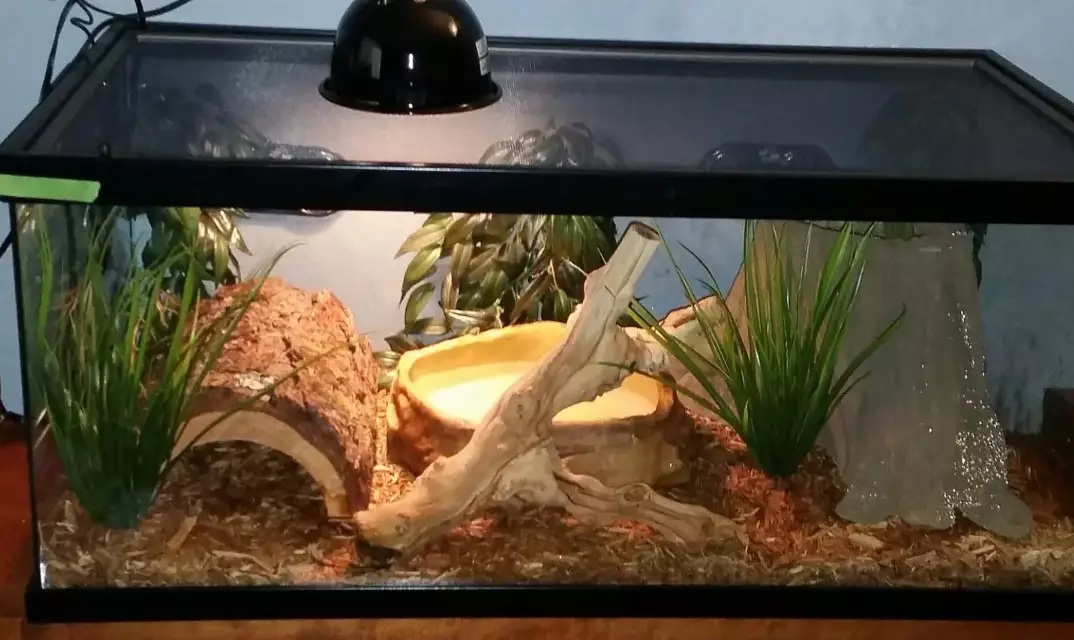
What most guides skip? They need vertical space, not floor space. A 18x18x24-inch front-opening terrarium is the realistic minimum for an adult. I've seen too many people buy a 10-gallon fish tank because it's cheap, then wonder why the gecko clings to the screen lid. That's a stressed animal, not a quirky one.
Feeding schedule I use: a fresh diet mix every other evening, mist the enclosure once in the morning and once at night. Skip the waterfall gadgets. A simple spray bottle does the job and costs nothing.
Leopard Gecko vs Bearded Dragon: Which Fits Your Routine?
This is the real fork in the road for most beginners. I've kept both and the honest answer depends on how much of your evening you want to give up.
Leopard Gecko: The Low-Key Option
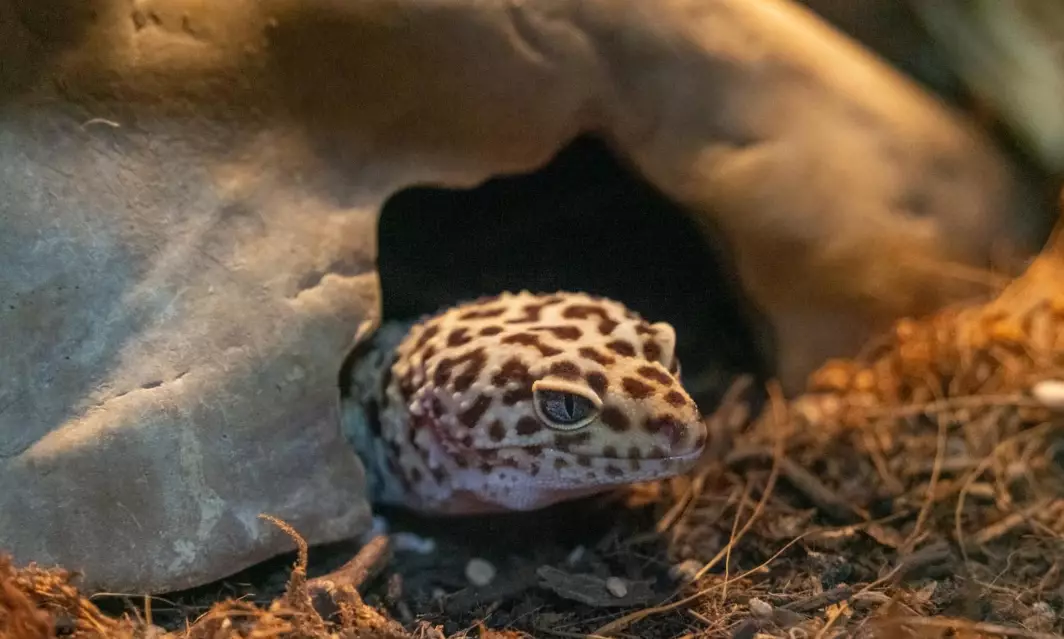
Leopard geckos are crepuscular, meaning they're most active at dawn and dusk. You can feed them six crickets or mealworms around 7 p.m. and be done. No UVB needed if you dust feeders with calcium—though I use a weak 5% UVB bulb anyway because it seems to improve appetite. They need a warm hide, a cool hide, and a humid hide (a plastic container with damp sphagnum moss). Floor space of 36x18 inches is plenty for an adult. Setup is quiet, no smell if you spot-clean weekly.
Bearded Dragon: The Interactive Option
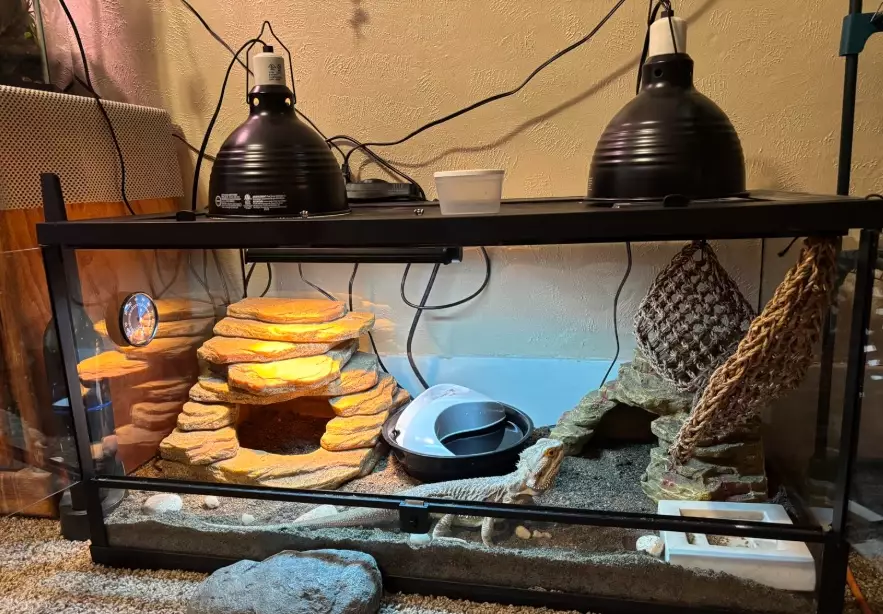
Beardies are diurnal and genuinely social. My current rescue, a 5-year-old male named Jasper, watches me work and head-bobs at the mail truck. But the routine is real: fresh salad every morning (collard greens, squash, a few blueberries), live insects two to three times a week, UVB bulb replaced every six months, and a 40-gallon minimum tank that costs more than most people expect. If you skip the salad for three days, you'll see it in the stool and the attitude.
The trap I see: people buy a baby beardie in a 20-gallon kit thinking it's fine for a year. It's not. They grow inches per month. I've watched a neighbor's beardie develop a curved spine from a cramped tank and weak UVB. That's a $200 vet bill and a hard lesson.
How Much Does a Beginner Reptile Setup Really Cost?
Let me break down a crested gecko setup I built last month for a friend, using mid-range gear from a local reptile expo. Prices reflect what I actually paid, not online list prices.
| Item | Where I Bought It | Price (USD) |
|---|---|---|
| 18x18x24 front-opening terrarium | Local show vendor | $120 |
| Coco fiber substrate (brick) | Pet store | $8 |
| Foliage vines and a cork round | Dollar store + expo | $22 |
| Powdered diet (Pangea, 8 oz) | Online retailer | $18 |
| Water dish and feeding ledge | Expo vendor | $14 |
| Spray bottle | Hardware store | $5 |
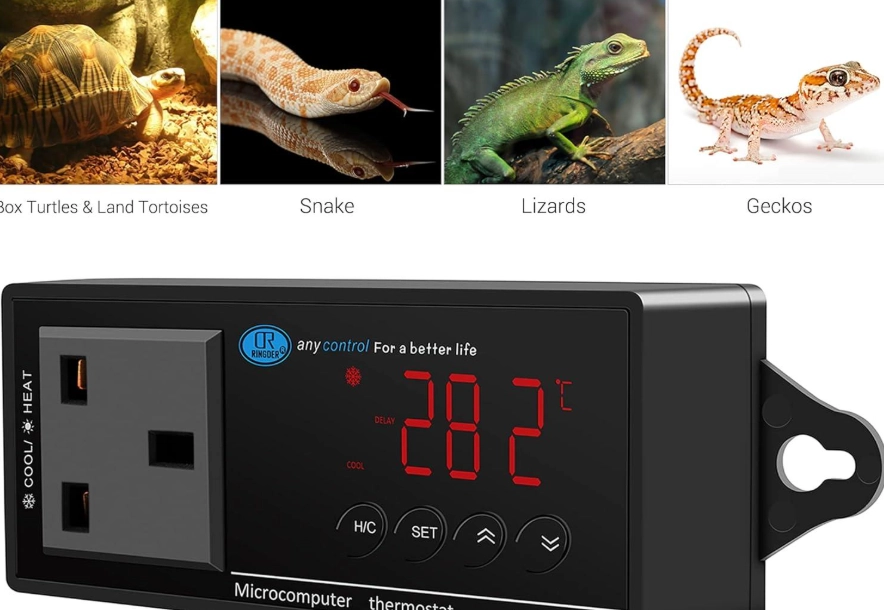
Total came to $187 before the gecko. Add $80 to $150 for a juvenile crested gecko. Compare that to a bearded dragon kit that starts around $300 and climbs fast once you add a proper 40-gallon tank ($150+), UVB fixture ($60), and a thermostat ($40). The cheap kits skimp on the thermostat, which is the one thing that prevents fires. Not worth the gamble.
One cost most guides ignore: a vet fund. Exotic vets charge $75 to $120 just for an exam. I set aside $10 a week. It feels silly until your gecko stops eating and you're glad you can walk in without hesitating.
The One Mistake I See in Week One (Almost Every Time)
New keepers handle their new reptile every day because they're excited. I get it. But reptiles aren't puppies. Handling a baby leopard gecko or corn snake daily for the first two weeks is the fastest way to make it refuse food and hide permanently.
My rule: leave it completely alone for five days after it arrives. No touching, no moving the enclosure to a different room, no showing friends. Just water and a quiet spot. Then offer one small meal. If it eats, wait two more days and start with five-minute handling sessions two to three times a week. Most people I've coached who followed this had a calm reptile within a month. Most who ignored it had a stressed animal and a wasted $40 on feeders.
Another thing nobody mentions: don't use a red heat bulb for night heating. I see it in every pet store kit. Reptiles can see red light, and it interrupts their sleep cycle. Use a ceramic heat emitter on a thermostat instead. It costs $25 and actually solves the problem.
For species-specific care standards, I always point people to the ReptiFiles care sheets because they're updated and not tied to a product. The Association of Zoos and Aquariums also publishes welfare guidelines that helped me rethink enclosure size.
Common Questions New Keepers Actually Ask
I live in a small apartment with noisy roommates. Will a crested gecko still settle in?
Crested geckos tolerate moderate noise, but constant vibrations from a subwoofer or slamming doors will keep them hiding. I'd put the tank on a solid shelf away from a speaker and cover three sides with dark paper for the first month. One client's gecko stopped eating until she moved it out of the living room. Solved overnight.
Is a corn snake a better first snake than a ball python?
For most beginners, yes. Corn snakes eat reliably, tolerate a wider temperature gradient, and don't go on hunger strikes for months. Ball pythons are docile but finicky about humidity and feeding. I've seen too many new keepers panic when their ball python refuses food for six weeks. That's normal behavior, but it's stressful if you haven't dealt with it before.
My leopard gecko won't eat for three days. Should I worry?
Not yet. Check the floor temperature on the warm side—it should be 88°F to 92°F. If it's too cold, digestion slows and appetite drops. Also, if you just moved the tank or changed the substrate, give it four quiet days. A healthy leopard gecko can skip a week. If it loses weight or has sunken eyes, then it's vet time.
Can I use a heat mat under a plastic bin for a hognose snake?
You can, but you must use a thermostat. Unregulated heat mats hit 110°F+ and melt plastic or burn a snake's belly. I've seen the scars. A $30 thermostat saves you a $300 vet bill. Also, put the mat on the side of the bin, not underneath, so the snake can escape the heat if it wants.