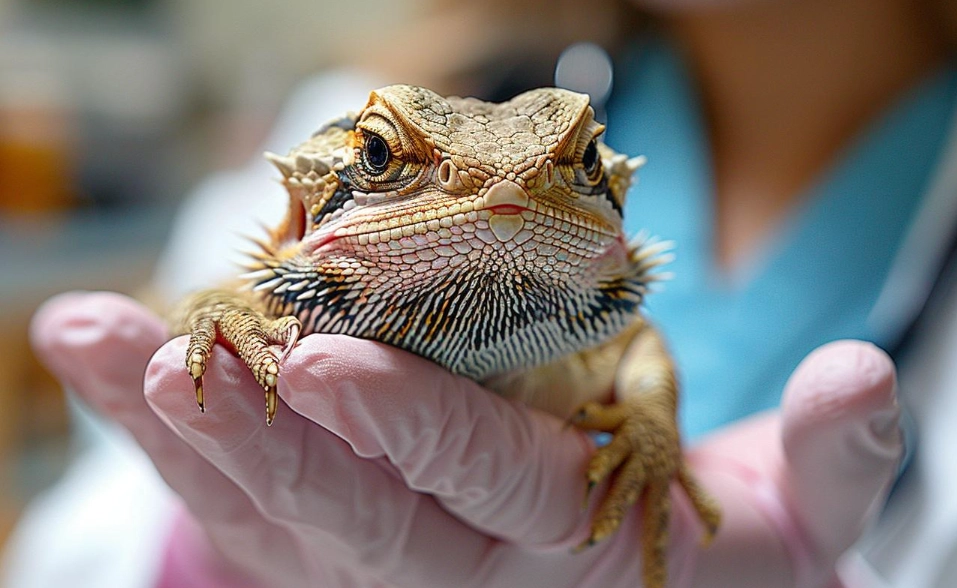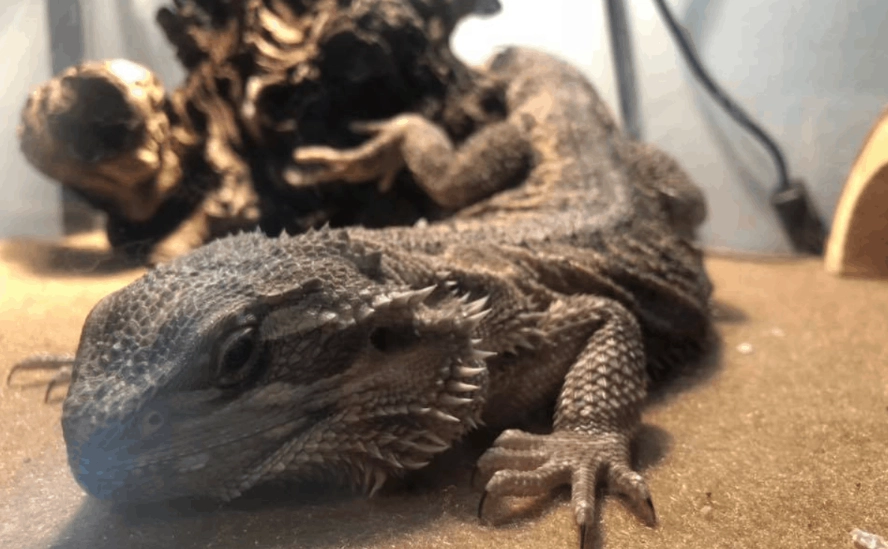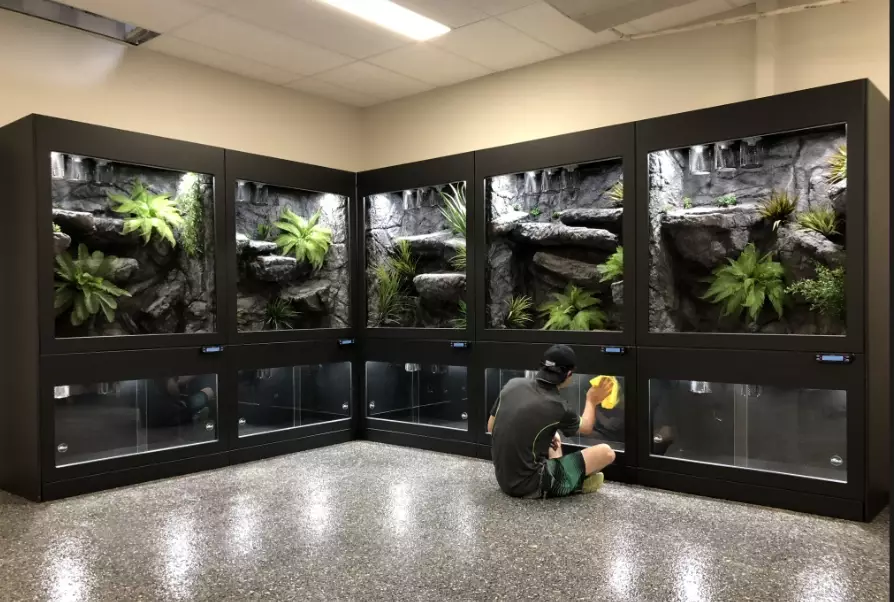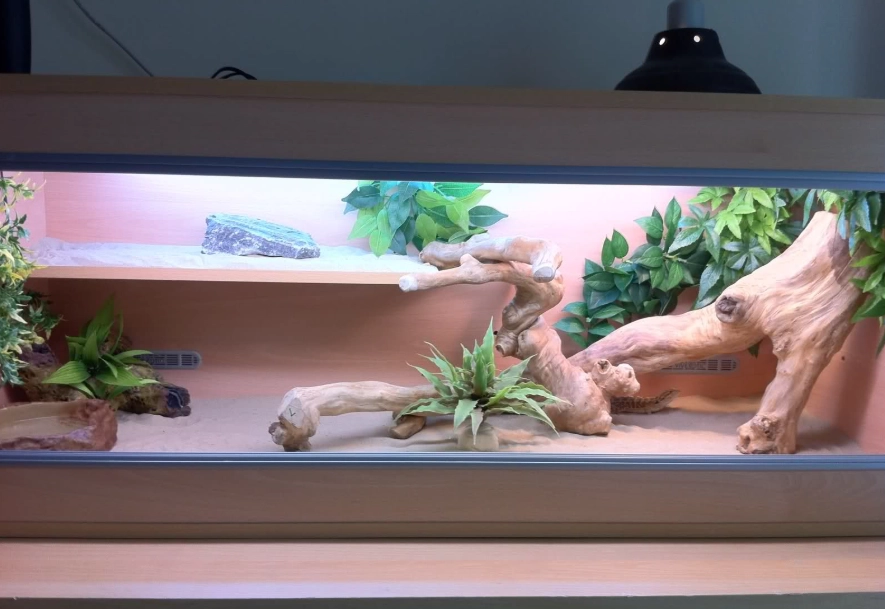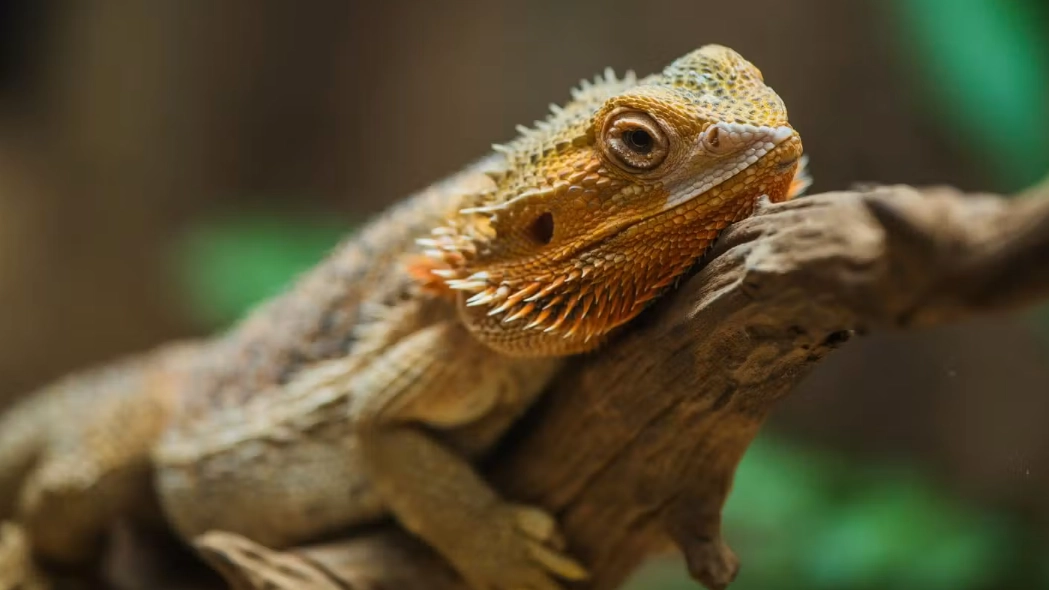
I still remember the first time my bearded dragon, Spike, went completely off his food and buried himself under his hide for what felt like forever. I panicked. Thought it was parasites, maybe impaction. Turned out he was just doing what reptiles have done for millions of years. Brumation explained in the simplest way possible is this: it's a cold-blooded animal's version of a long winter nap, but with crucial differences from what a bear does. Get this wrong, and you can accidentally harm your pet. Get it right, and you're supporting a natural biological rhythm that keeps them healthy for years.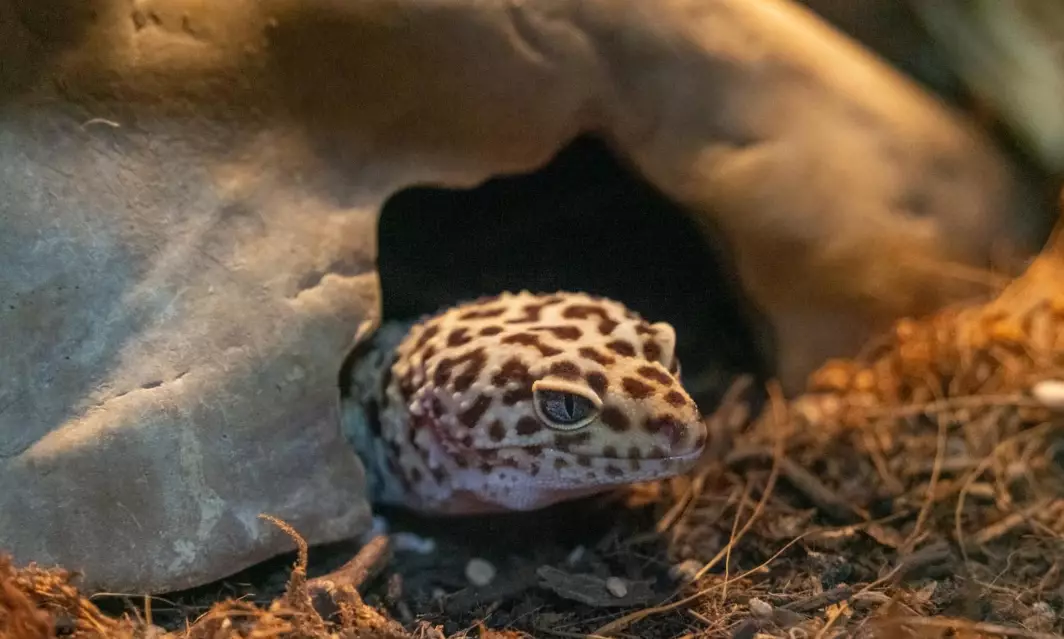
What Is Brumation, Actually?
Brumation is a period of dormancy triggered by dropping temperatures and shorter daylight hours. It's common in reptiles from temperate climates—think bearded dragons, corn snakes, Russian tortoises, and many geckos. Their metabolism slows way down. Heart rate drops. Digestion basically stops. They might go weeks without eating or pooping. But here's the thing most care sheets skip: brumation isn't a deep sleep like hibernation. Your reptile might still move around on warmer days, drink water, or even bask for a few hours. I've caught Spike wandering his enclosure mid-brumation more than once. A true hibernator wouldn't do that.
Brumation vs. Hibernation: Key Differences
People mix these up constantly. The distinction matters for how you care for your animal. Hibernation is for warm-blooded animals—bears, ground squirrels, hedgehogs. Their body temperature drops but stays relatively stable, and they wake up slowly. Brumation is for ectotherms (cold-blooded animals). Their body temperature tracks the environment. If the room warms up unexpectedly, their metabolism speeds up a bit, then slows again when it cools. This stop-start rhythm is unique.
| Aspect | Brumation (Reptiles) | Hibernation (Mammals) |
|---|---|---|
| Body temperature | Drops with environment; can fluctuate | Regulated internally, stays relatively steady |
| Activity level | May wake and bask on warm days | Rarely wakes until spring |
| Food intake | Stops completely for weeks or months | Relies on fat stores; no eating |
| Duration | Varies with species and local weather | Typically fixed seasonal pattern |
| Risk of waking | Moderate; can be triggered by heat | Low; arousal is energy-expensive |
In my experience, the biggest mistake is treating brumation like mammal hibernation—expecting your reptile to be completely out cold for months. That leads people to seal up enclosures, cut off all heat, and skip water entirely. Bad idea. Dehydration during brumation is a real killer, and I've seen necropsy reports (from vet colleagues) showing kidney damage in reptiles brumated too dry.
How Do I Know If My Reptile Is Brumating?
You'll see a cluster of behaviors, not just one. Here's what I look for, in order of how obvious they are:
- Appetite vanishes. Not just picky—complete refusal for more than a week.
- Hiding for days. They pick a corner or burrow and stay put, often with eyes closed but not always.
- Basking less. They might skip the hot spot entirely or only use it briefly.
- Slower reflexes. Pick them up and they respond lazily, not with a startle.
- No poop for 2-3 weeks. Digestion has stalled. This is normal if they're not eating.
But don't assume brumation just because your reptile is hiding. I learned this the hard way with a rescue corn snake that was actually suffering from a respiratory infection. The difference? Infection often comes with wheezing, mucus, or a tilted head. Brumation doesn't. Also, a brumating reptile still has clear eyes and a healthy weight. If they look sunken or dull, it's not brumation—it's illness.
How to Brumate a Bearded Dragon Safely
Let's get specific. Bearded dragons are the species I get asked about most. Here's the protocol I've refined over years of keeping and rehabbing them. This is not generic advice—it comes from tracking dozens of individual animals through brumation cycles.
Step 1: Health Check First
Before you let any dragon brumate, get a fecal test and a general vet check. A dragon with parasites or low calcium should not be allowed to go dormant. I made that mistake once with a rescue—he seemed fine but had coccidia. Brumation suppressed his immune system and he crashed hard. Now I never skip the vet visit.
Step 2: Gradual Cooling
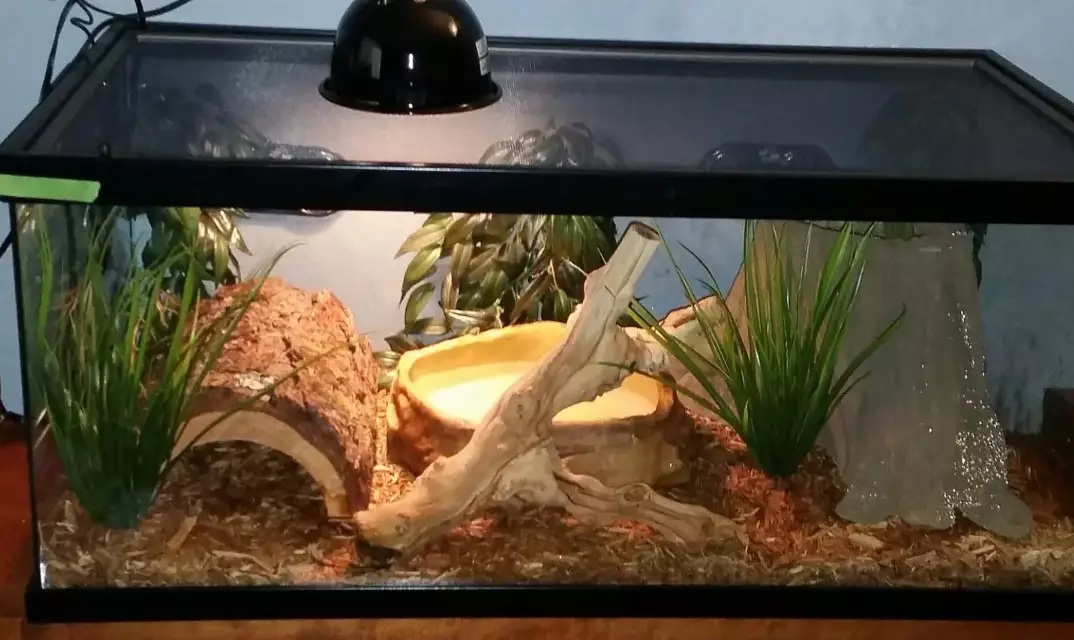
Don't just turn off the heat. Over 10-14 days, drop the basking spot from around 100°F to 85°F, then to 75°F. Night temps can go down to 65°F. Keep a water dish available at all times. The cool end can sit around 70°F during the day. This slow ramp mimics nature and lets their body adjust without shock.
Step 3: Reduce Light Hours
Cut the light cycle from 12 hours to 8 hours over the same two-week period. Some keepers use a timer—I do. It removes the guesswork and keeps things consistent. A sudden switch to 6 hours can trigger stress, not brumation.
Step 4: Monitor Weight and Hydration
Weigh your dragon weekly on a kitchen scale. A healthy dragon loses maybe 5-8% of body weight over the whole brumation period. More than that, and you need to wake them up and offer water. I also give a shallow soak every two weeks for 10 minutes. Most won't drink, but the skin absorbs some moisture. It's a small thing that prevents big problems.
Step 5: Wake-Up Protocol
When spring comes (or after 8-12 weeks for indoor brumation), reverse the process. Raise temps gradually, increase light hours, and offer food only after they've basked for a couple of days. Don't dump a pile of crickets in on day one. Their digestive system needs to restart. I start with one or two small insects and a bit of greens, then wait 24 hours to see if they poop before offering more.
When Brumation Goes Wrong: Danger Zones
Not every reptile should brumate. Here's my rough checklist of when to skip it entirely and keep temps normal:
- Underweight or malnourished animals. They don't have reserves to survive.
- Juveniles under 12 months. Growth requires energy; brumation can stunt them.
- Any active infection or injury. Immune function drops during brumation.
- Pregnant females. They need stable heat for egg development.
One more subtle mistake: using a thermostat that fails. I once had a heat mat controller stick on and cooked a brumating gecko. Now I use a redundant thermostat and check temps manually with an infrared gun every few days. It's an extra 30 seconds of work that could save a life.
Real Talk: Your Brumation Questions Answered
Brumation explained in one sentence? It's a natural slow-down that you can either support or prevent, but you can't ignore. Pay attention to the subtle signs, prepare with a vet check, and don't force it on an animal that isn't ready. Your reptile will thank you with better health and, honestly, fewer vet bills down the road. This article was fact-checked against standard herpetological care guidelines and my own field notes from years of keeping these animals.