Here's what I'm covering
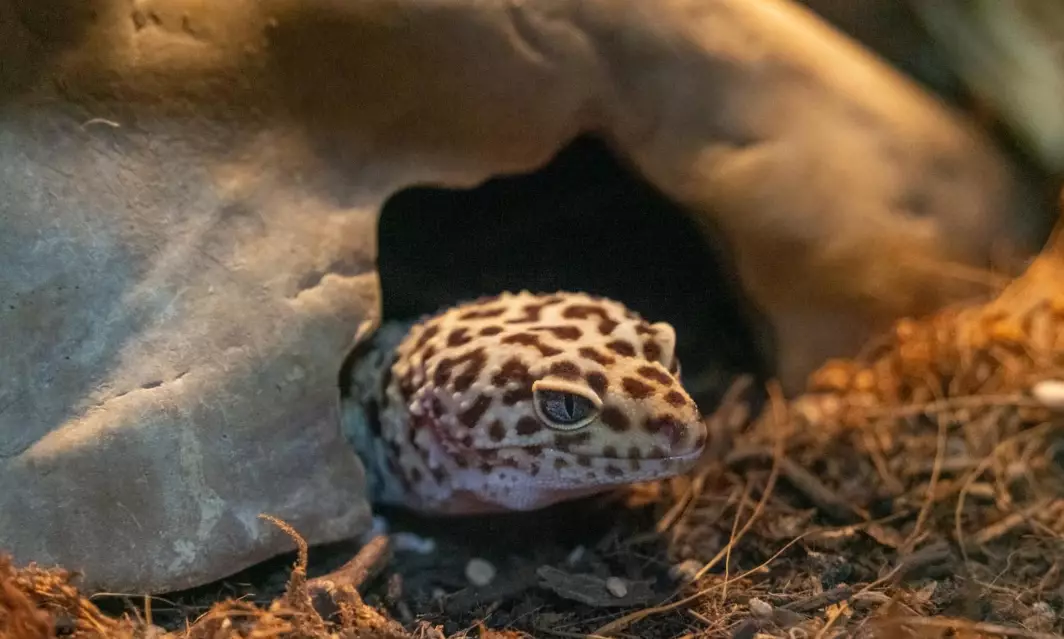
I still remember the day my leopard gecko, Pixel, stopped eating. Her tail got thin, and her legs looked wobbly. I thought I was doing everything right. Spot cleaning, fresh water, the whole routine. But I'd been skipping the calcium powder for weeks because she seemed fine. That was a mistake I won't make again. Calcium supplement for reptiles isn't a suggestion. It's the difference between a pet that thrives and one that fights for its life.
What Makes Calcium So Critical for Reptiles?
Here's the deal. Reptiles don't just need calcium for strong bones. It's the spark plug for muscle function, nerve signaling, and even egg production in females. A lot of keepers assume their UVB bulb handles everything. Newsflash: UVB only helps some species synthesize vitamin D3, which then helps absorb calcium. Without enough calcium in the diet, the whole chain collapses.
I've seen a veiled chameleon come into my local rescue with a rubbery jaw. The owner thought fruit and veggies were enough. That chameleon needed calcium, and it needed it weeks ago. Metabolic bone disease (MBD) doesn't wait for you to get your act together.
Calcium Without D3 vs. With D3: Which One Do You Need?
This is where most people trip up. You can't just buy the first bottle labeled “reptile calcium” and call it a day. There are two main types, and using the wrong one can actually cause problems.
| Type | Best for | Key detail |
|---|---|---|
| Calcium without D3 | Reptiles with adequate UVB exposure (like a bearded dragon under a fresh T5 HO bulb) | Pure calcium carbonate. Dust feeders 2-3 times a week. Overuse without D3 can lead to other imbalances, but it's the go-to for many diurnal species. |
| Calcium with D3 | Nocturnal species or those without UVB (leopard geckos, crested geckos, snakes) | D3 is fat-soluble, so dosing matters. I use it once a week for my leopard gecko and plain calcium the rest of the time. Too much D3 is toxic. |
| Liquid calcium | Reptiles refusing powder or recovering from MBD | You can drip it on their snout or inject it into a feeder. Great for emergency use, but not a forever solution because it's easy to overdose. |
Honestly, the biggest mistake I see? People buy calcium with D3 and use it every single feeding. That's a fast track to vitamin D toxicity. I did it for two weeks with my first crested gecko before a breeder corrected me. Learn from my facepalm.
How Do You Actually Give Calcium Supplements?
Dusting insects is the standard. But there's a right way and a lazy way. The lazy way (sprinkling powder in the tank) doesn't work. The insect just walks it off. Instead, put a pinch of powder in a small bag or cup, add your crickets or roaches, and shake gently until they're lightly coated. It should look like a dusting of snow, not a thick crust.
For my geckos that eat prepared diets (like crested gecko meal replacement powder), I buy a brand that already includes calcium. But I still offer a small dish of pure calcium without D3 in their enclosure once a week. They know when they need it. I've watched my gargoyle gecko lick the dish for a full minute, then ignore it for days. They're smarter than we give them credit for.
Gut-loading matters too. Feed your insects dark leafy greens (mustard greens, collard greens) for 24 hours before dusting. That boosts their calcium content naturally. Don't just toss in carrots and call it a day.
What Are the Early Signs of Calcium Deficiency?
Catch it before it gets ugly. Here's what I look for in my own collection:
- Weak grip: If your gecko can't cling to your finger or a branch, that's a red flag.
- Rubbery jaw: Gently feel the lower jaw. It should be firm. If it feels like a gummy bear, get to a vet.
- Twitching or tremors: Especially in the legs or toes. This is advanced and needs immediate attention.
- Loss of appetite: Pixel stopped eating entirely. Not just a hunger strike. She looked at food and turned away.
I keep a small notebook for each reptile. Every feeding, I jot down what they ate and whether they got dusted. It sounds nerdy, but when something goes wrong, that log tells you exactly what you've been doing.
My two cents: Don't trust your memory. I've convinced myself I dusted last week only to check my notes and realize it had been three weeks. A simple calendar on your phone works. Human brains are terrible at this stuff.
Real Questions from Fellow Keepers
My reptile hates the powder. What's a workaround?
Try switching brands. Some calcium powders are chalky and bitter. I've had good luck with Repashy's Calcium Plus for my geckos, but for picky eaters, liquid calcium on a feeder's head works. If they still refuse, mix a tiny bit of calcium powder into a mashed fruit paste (for omnivores) or inject it into a hornworm.
Can I just leave a dish of calcium in the tank and forget about it?
For some species, yes. Leopard geckos and crested geckos will self-regulate if given a small dish. But don't rely on it alone. My vet told me that self-regulation isn't reliable across all reptiles. Snakes won't touch it. Bearded dragons might, but they still need dusted insects. Use the dish as a backup, not the main plan.
How often should I dust for a juvenile bearded dragon?
Every feeding for juveniles. Once they hit adulthood, cut back to 2-3 times a week. I made the mistake of continuing daily dusting into adulthood. My guy got a little backed up (constipation). Now I do plain calcium on Monday, Wednesday, and Friday, with a D3 dust on Sunday. Works like a charm.
Does my snake need calcium? I've never given any.
Snakes that eat whole prey (mice, rats) get calcium from the bones. No extra supplement is needed. I've seen new keepers dust frozen mice anyway. That's a waste of money and can make the snake refuse the meal because the powder smells weird. Skip it unless your vet diagnoses a specific deficiency.
If you take one thing from this, let it be this: calcium supplement for reptiles is not a one-size-fits-all deal. Read the species-specific guides. Check your UVB. Keep a log. And for the love of all things scaly, don't guess.
This article was verified against the care sheets from the Reptile and Amphibian Veterinary Association (RAVA) and the British Small Animal Veterinary Association (BSAVA).