What I'd check first
Reptile shedding problems almost never start with the skin. That sounds backward, I know. But after ten years of keeping and rescuing everything from leopard geckos to carpet pythons, I can tell you the stuck patch on the tail is a symptom, not the disease. When a reptile fails to shed cleanly (the clinical term is dysecdysis), the skin is just the messenger.
The fix is almost always environmental. Get the humidity, the hydration, and the surface texture right, and the problem disappears. Get those wrong, and you'll be peeling your animal's toes for months.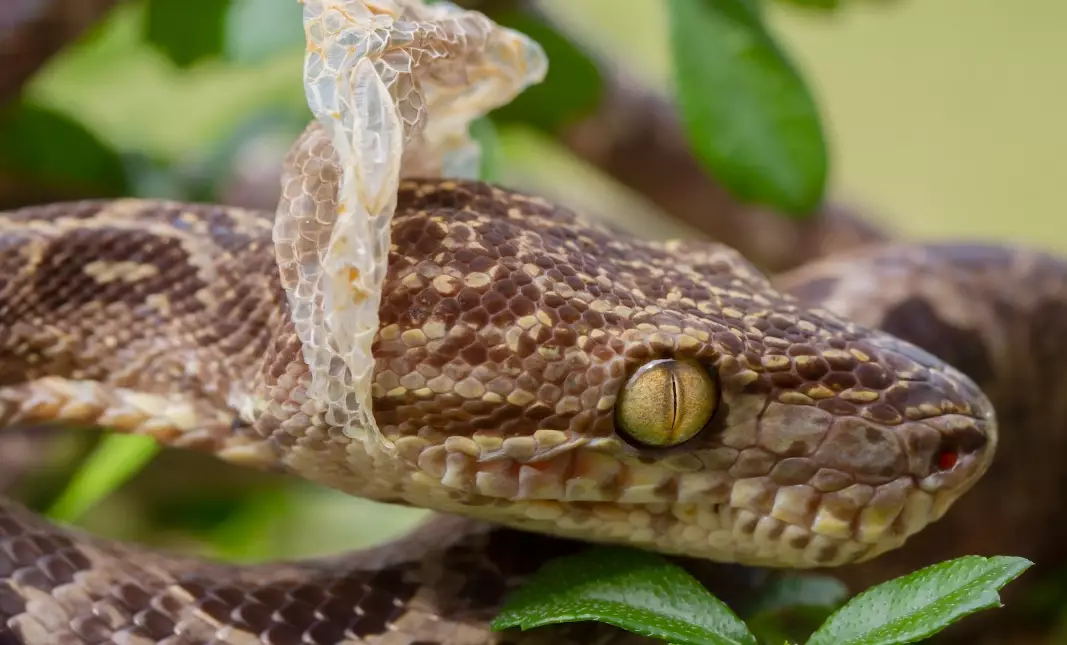
Why Shed Goes Wrong
Here's what most care sheets skip. Reptiles don't shed continuously. They go through a cycle where the old skin separates from the new layer underneath, and that separation depends on a specific moisture gradient between the two layers. Too dry, and the old skin fuses to the new one. Too wet for too long, and you get bacterial issues instead.
I learned this the hard way with a rescue ball python that had three retained eye caps. The previous owner kept the tank bone dry because "pythons don't need high humidity." Wrong. The eye caps had fused so badly that the snake was nearly blind. It took eight weeks of corrected humidity and careful management to clear it.
Common culprits, ranked by how often I see them at the rescue:
- Humidity hide missing or too shallow — a humid hide needs a damp (not soaking) substrate and a small opening to trap moisture. A plastic container with sphagnum moss works better than anything sold as a "shed box."
- Dehydration — a reptile that isn't drinking can't shed well. Water bowls that are too small, or water that's rarely changed, cause silent dehydration.
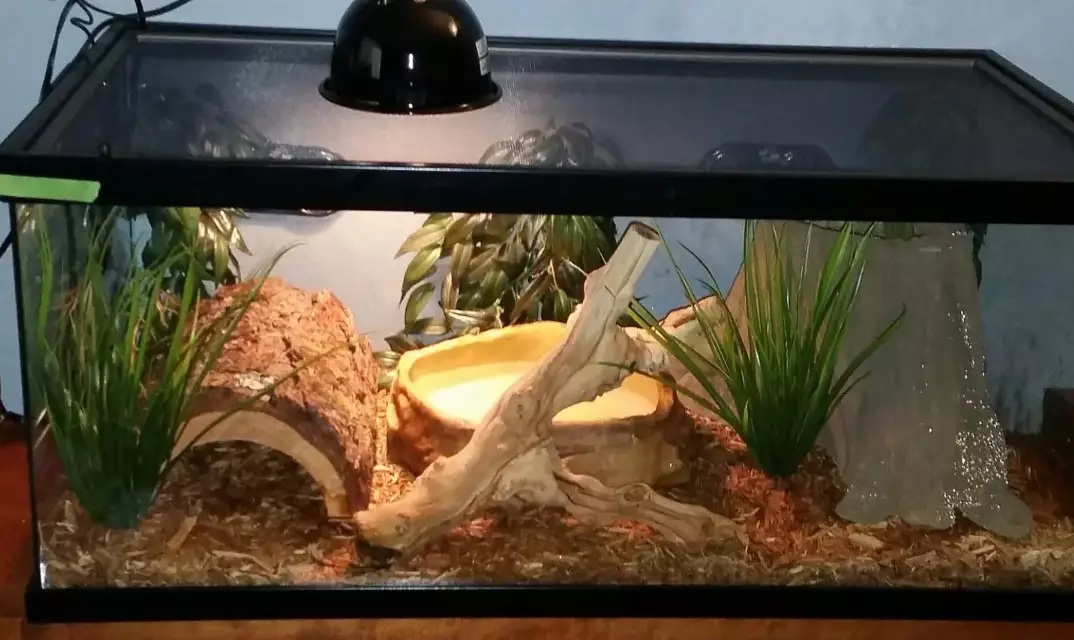
- Wrong surface texture — smooth glass or bare tile gives nothing to rub against. Rough rock or cork bark helps the skin peel.
- Metabolic or nutritional issues — low calcium or vitamin A deficiencies in certain species show up as bad sheds first.
How to Spot Stuck Shed Before It Gets Bad
Check these five spots after every shed cycle. If you see retained skin in any of them, act fast.
Toes and Tail Tips
The most common stuck shed spots, and the most dangerous for smaller lizards. A retained ring of skin around a gecko's toe acts like a tourniquet. I've seen toes lost this way. If the skin looks pale and tight, or the toe looks swollen, you're one or two days from a real problem.
Eyes
Retained eye caps in snakes show up as a wrinkled, dull, or cloudy eye. Don't peel these. Ever. I once watched a keeper try to pull an eye cap with tweezers, and the damage was permanent. Moisture and time are your tools here.
Vents and Spurs
Stuck shed around the vent can block waste and cause infection. On species with spurs, like some boas, check that the spur has fully cleared.
Full Body: The Bagginess Test
Run a finger lightly along the back. A healthy post-shed reptile feels smooth. If you feel a papery layer rolling up, it's a partial shed.
Fixing Stuck Shed Step by Step
This is the routine I use at the rescue, in order. Skip steps and you risk making it worse.
- Correct the humidity first, not last. Raise the humidity in the enclosure (mist the walls, dampen the substrate, add a humid hide) before you touch the animal. This is the part most people skip when they panic.
- Warm water soak, 15–20 minutes. Shallow water, about 80–85°F (27–29°C) for most species. The water should come up to the animal's belly, not its back.
- Gentle rub with a damp cloth or cotton swab. Work in the direction the skin should peel. If it doesn't lift easily, stop. Never force it.
- Use a shed aid sparingly. A thin layer of a reptile-safe shed aid can help, but overuse causes skin irritation. Once a day, max.
- Give it 48 hours and repeat. Skin needs time to loosen. Patience beats force every time.
Species Differences That Change the Fix
One routine doesn't fit every reptile. Here's how I adjust based on the animal in front of me.
| Species group | Typical shedding pattern | What I change | Red flag |
|---|---|---|---|
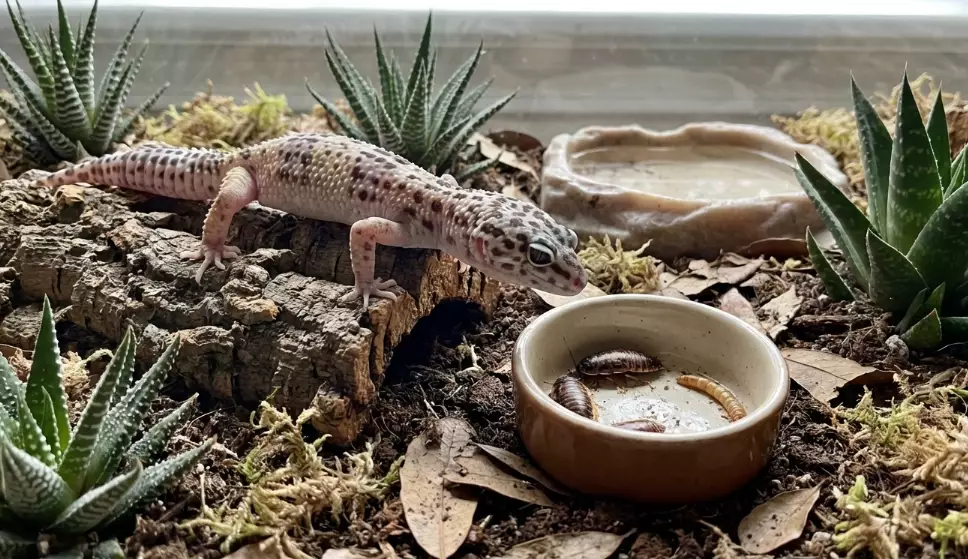
| Leopard geckos | Piecemeal, frequent small sheds | Humid hide with damp moss, check toes weekly | Repeat toe shed = humidity too low |
| Ball pythons | One full shed, 2–3 week blue phase | Raise humidity to 70–80% before the blue phase ends | Retained eye caps or a shed that comes off in pieces |
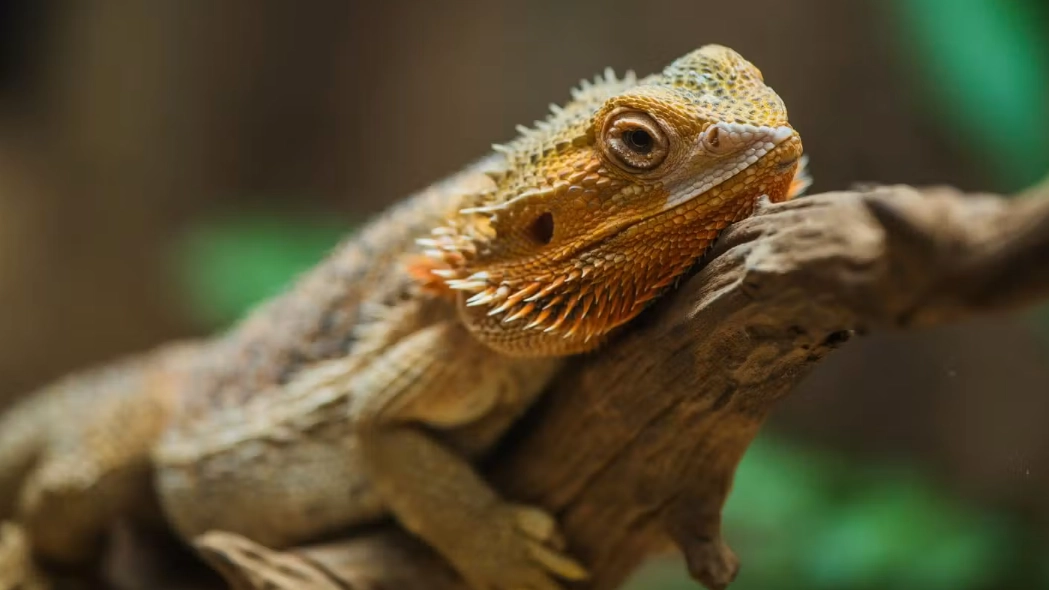
| Bearded dragons | Patchy, slow shed (legs and tail first) | Baths 2–3 times a week during shed | Stuck tail tip or swollen toes |
| Corn snakes | Full body shed, quick process | Damp hide, check vent and eye caps | Partial shed with a retained tail segment |
| Chameleons | Crisp, whole-body shed | Humidity spikes to 80%+ during shed | Retained skin on tail or head casque |
Chameleons are the ones I worry about most. They hide illness well, and a bad shed on a chameleon often signals a deeper hydration or supplementation issue. I'd rather see a chameleon owner over-misting than under-misting.
Prevention: The Husbandry Checklist
I keep this checklist on my phone for every animal that comes through the rescue. Run through it every week.
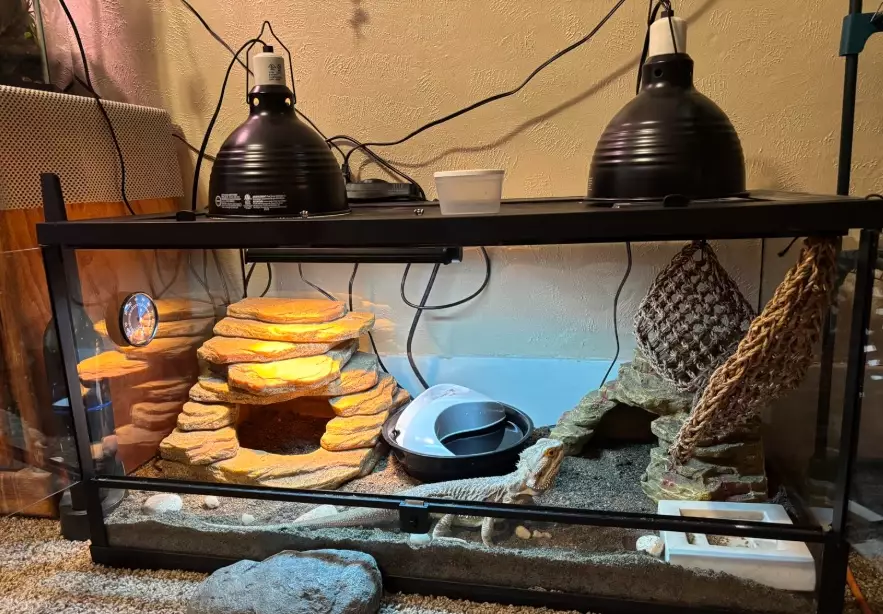
- Humidity: measured with a digital hygrometer (not those analog dials, which are often off by 10–20%). Check it twice a day.
- Hydration: fresh water daily, shallow bowl wide enough for the animal to soak if it wants to.
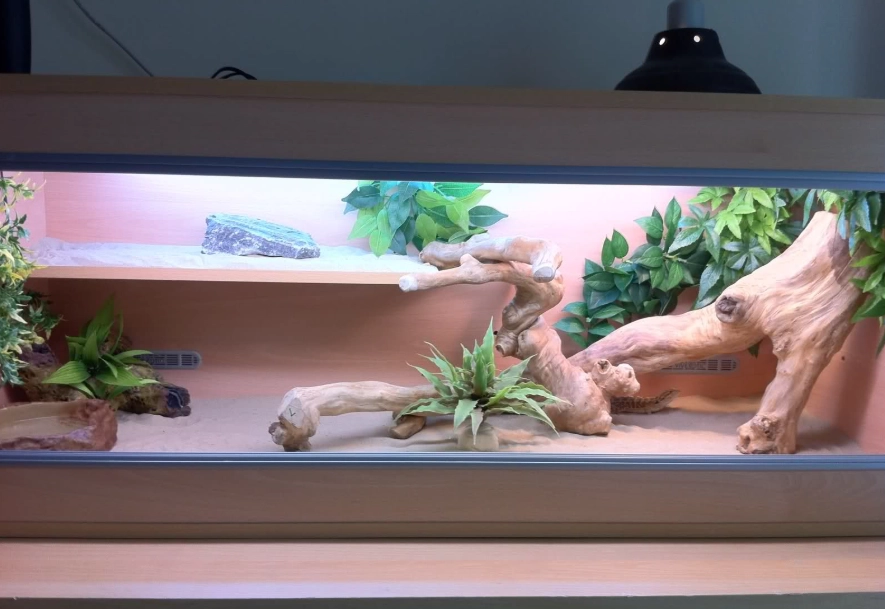
- Textures: at least one rough surface (cork bark, slate) in every enclosure.
- Diet: calcium and multivitamin dusting on the right schedule for the species.
- Shed log: note the date and quality of each shed. Patterns show up fast when you write them down.
If your reptile has repeated sheds and the husbandry checks out, see a vet. Repeated dysecdysis can point to thyroid issues, nutritional deficiencies, or skin infections that no amount of misting will fix. A quick exam and skin scrape is worth it before you spend months chasing an environmental cause that isn't there.
Questions I Get Asked Most
My leopard gecko has stuck shed on its toes every single time. What am I missing?
If it's every time, your humid hide is the problem, not your soaking routine. Check that the moss is actually damp (not dry), that the hide is small enough to trap humidity, and that you've placed it on the warm side of the tank. I've also seen geckos refuse to use hides that are too big or have a wide opening. Swap the substrate for eco-earth or damp paper towel and give it a week.
Is it safe to pick off stuck shed if it looks loose?
Only if it lifts with zero resistance. If there's any tug, stop. I use a damp cotton swab and let the skin peel itself off with a light roll. On toes, that's the only method that doesn't risk a lost digit.
My ball python's shed came off in two pieces. Is that a problem?
One split shed isn't a crisis, especially in a larger enclosure. Two or more sheds in pieces, though, means the humidity dropped during the shedding window. Bump the humidity to 75–80% when you see the eyes go blue, and hold it there until the shed is done.
Can stuck shed cause a reptile to stop eating?
Yes, and it's a clue. Retained skin around the eyes can impair vision, which makes some snakes and geckos nervous and off food. If a reptile goes off food right after a bad shed window, fix the shed first, then reassess appetite.
This article was fact-checked against standard reptile husbandry resources from the Association of Reptile and Amphibian Veterinarians (ARAV) and the British Herpetological Society, plus my own notes from a decade of rescue work.