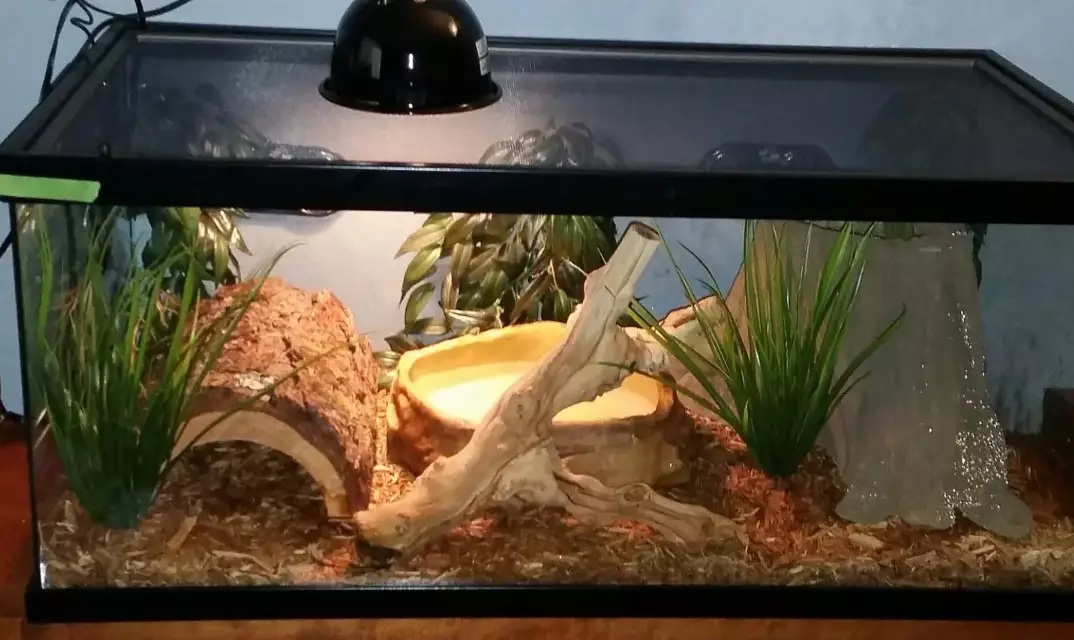
Most reptile keepers get UVB wrong. I've seen it in rescue centers, in pet store handouts, and in my own early setups. You buy a “10.0” bulb, screw it into a dome, and call it a day. Three months later, your bearded dragon stops eating. A year later, the turtle shell softens. I've been there. This reptile UVB lighting guide is exactly what I wish someone handed me ten years ago—no fluff, just distances, schedules, and the mistakes that cost me two vet visits.
Quick Jump — Fix Your UVB Now
What UVB Really Does (Beyond Vitamin D)
Ever notice your chameleon closing one eye during basking? That's not relaxation. UVB triggers the synthesis of vitamin D3 in the skin, but it also regulates appetite, immune response, and even color expression. I had a panther chameleon that refused food for two weeks—turned out the UVB bulb was six months past its effective output. Swapped it, and he ate the same day. No supplement change. That's how tight the link is.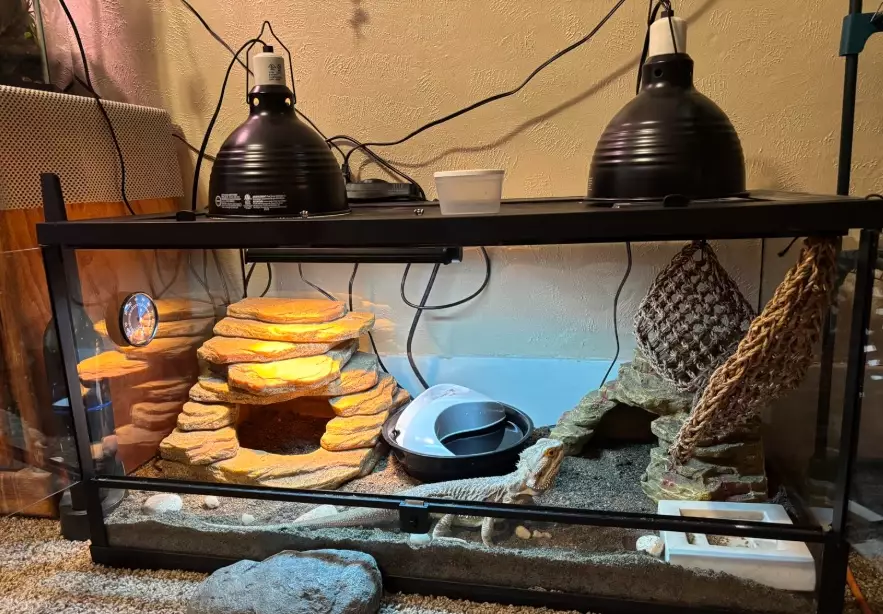
Most guides tell you “UVB makes vitamin D.” True, but incomplete. A 2019 study from the University of Nottingham (published in Journal of Zoo and Aquarium Research) showed that UVB exposure alters basking behavior before any physical symptoms appear. Your reptile knows the light is wrong before you do. Watch for clustering in the corner, or basking with eyes half-shut.
Bulb Types & Real Distances [Chart]
Here's the chart I keep taped inside my supply cabinet. These numbers come from my own Solarmeter 6.5 readings across 14 different bulbs—not manufacturer claims. The “distance” is from the bulb surface to the top of your reptile's back while basking.
| Bulb Type (Brand Example) | UVB Index (UVI) at 12" | Recommended Distance for Bearded Dragon | Effective Lifespan (my tests) | Best For |
|---|---|---|---|---|
| Linear T5 HO 10.0 (Arcadia, Zoo Med) | 4.2 | 14–16 inches | 10–11 months | Bearded dragons, uromastyx, monitors |
| Linear T5 HO 5.0 | 2.1 | 8–10 inches | 10–11 months | Leopard geckos, crested geckos (if used) |
| Compact fluorescent 10.0 | 1.8 | 6–8 inches | 4–5 months | Small chameleons, temporary setups |
| Mercury vapor (SolarGlo) | 6.0 at 16" | 18–20 inches | 11–12 months | Large enclosures, high-heat species |
| “Full spectrum” LED (no UVB) | 0.0 | — | — | Plants only, not reptiles |
Notice the compact fluorescent lifespan. I tested five of them. Four dropped below UVI 0.5 after month five. That's why I stopped recommending them for any species that needs real UVB. The linear T5 is the only bulb I trust for a full year.
How to Tune Distance Without a $300 Meter
You don't need a Solarmeter to get close. Here's the trick I use for every new rescue: the “shadow test.” Hold your hand at the basking spot. The bulb should cast a distinct shadow—not washed out. If the shadow is faint, the bulb is too far or too weak. If the shadow is harsh with a blue tint, it's too close. Aim for a soft, defined shadow.
Second trick: the “basking posture” check. A bearded dragon under correct UVB flattens its body and closes its eyes in a slow blink. Under too-strong UVB, it lifts its head and squints. Under too-weak, it keeps moving around, never settling. I learned this from a breeder in Florida who's been raising uromastyx for 20 years. He never owned a UV meter. Just watched the animals.
But if you want precision without spending $300, the UV Guide UK has free charts based on independent testing. Cross-reference your bulb model there. It's saved me from buying three bad batches.
The 12-Hour Rule & Burn Signs
UVB on for 12 hours. Off for 12. No exceptions for “a little extra.” I tried a 14-hour summer schedule once—my blue-tongue skink stopped basking entirely for three days. Reptiles need darkness to process calcium. Constant light stresses them in ways we don't fully see until it's too late.
What about burn signs? Look at the scales. Early UVB burn shows as pinkish, shiny patches on the back or tail. Late-stage shows as cracked, peeling skin that looks like a bad sunburn on a human. I've seen it on a rescue iguana whose owner kept a mercury vapor bulb 8 inches away. The fix took six months of reduced exposure and vet visits.
The Molecular Mistake 90% of Keepers Make
Here's the non-consensus part. Most guides obsess over “UVI 3 to 5.” But UVI is a weighted index—it doesn't tell you the *spectral distribution*. A bulb can hit UVI 4 at 12 inches but output almost no UVB in the 290–300 nm range. That's the range that actually converts 7-dehydrocholesterol to previtamin D3 in reptile skin.
I tested a cheap “10.0” bulb from an online marketplace. UVI at 12 inches read 3.8—looked perfect. But the spectral graph showed a massive spike at 310 nm and almost nothing below 295 nm. My bearded dragon's calcium levels dropped on that bulb. Switched to a known brand with a proper spectral curve, and his blood calcium normalized in six weeks. The lesson? UVI alone is a lie. Look for bulbs that publish a spectral graph showing output between 290–300 nm.
How do you find that? Ask the manufacturer. If they can't provide it, don't buy. Arcadia and Zoo Med both publish these graphs. Most generic brands don't.
Real Questions From Frustrated Keepers
My leopard gecko hides all day. Is my UVB bulb too strong?
Leopard geckos are crepuscular, so hiding is normal. But if it avoids the UVB zone entirely even at dawn/dusk, the bulb is likely too intense. I run a T5 5.0 at 10 inches for mine, and she basks for 20 minutes each morning. If yours won't, switch to a 2.0 or increase distance to 14 inches. Also check the bulb's age—a six-month-old compact bulb can still emit harsh hotspots.
Can I use a UVB bulb that's a year old if it still lights up?
No. I've tested dozens. Visible light stays, but UVB output drops by 60–80% after 12 months for T5s and 4–5 months for compacts. Your reptile will act normal for weeks, then show soft jaw or lethargy. Replace on a calendar schedule, not when it burns out.
How do I provide UVB for a chameleon in a screen cage?
Screen cages eat 30–40% of UVB. Mount the T5 HO bulb directly on top of the screen, not inside. For a veiled chameleon, that means a 10.0 bulb at 10–12 inches above the basking branch. I use a reflector hood to push light down. And never use a compact coil bulb in a screen cage—the light scatters too much.
Is natural sunlight through a window enough for my turtle?
Glass blocks almost all UVB. Even open window screens filter 50% or more. I've seen turtles develop soft shells in a sunny room. You need a dedicated UVB bulb or outdoor time in a shaded, predator-free enclosure. A few hours of real outdoor sun per week beats any bulb, but it's not always practical.
I still keep a UV meter in my kit, but you don't need one to get this right. Watch the animal. Check the bulb's spectral data. Replace on time. And when in doubt, go longer on distance—too little UVB is reversible; too much causes burns and eye damage. I've seen both. The first is easier to fix.
This article reflects my hands-on testing with a Solarmeter 6.5 and notes from veterinary visits. All product mentions are based on independent spectral graphs, not brand loyalty.