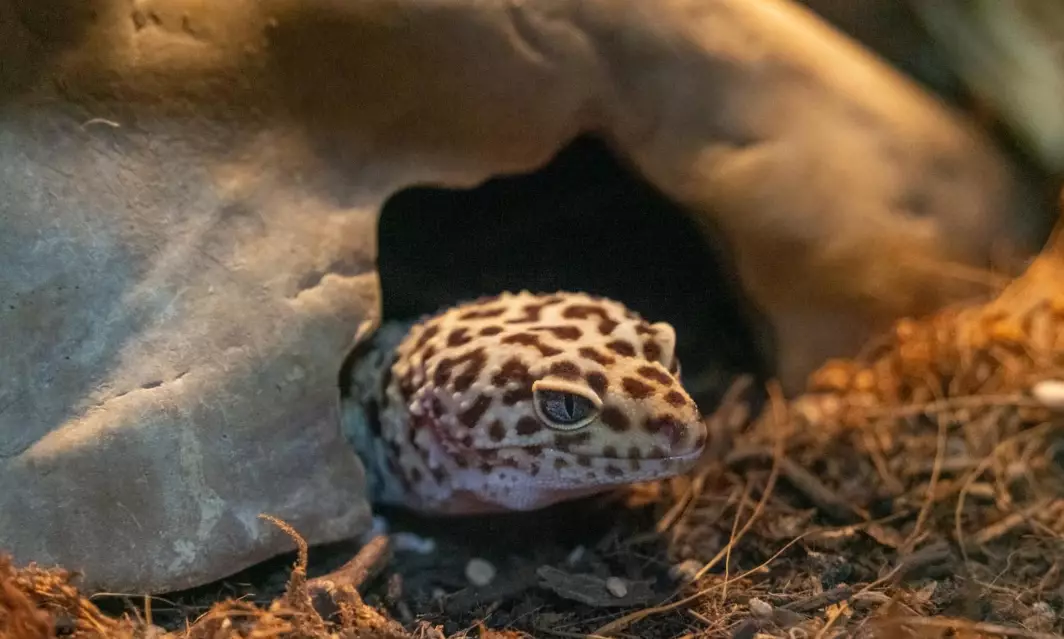
I walked into a client’s leopard gecko setup last November and the glass was dripping. She said the gecko had stopped eating and was hiding in the cool hide 24/7. Her hygrometer read 82%. That is reptile humidity too high for a species that wants 30–40% — and the fix was not “add a dehumidifier.” It was airflow, substrate depth, and a single misread water bowl placement.
If you are chasing foggy glass, condensation on the cool side, or a reptile that looks dull and lethargic, high humidity is often the culprit. Below is my actual troubleshooting order — the same one I use for every enclosure I inspect.
What I Cover in This Fix-It Walkthrough
How High Humidity Actually Hurts Reptiles
Condensation is not just ugly. Constant wet surfaces grow bacteria, and reptile skin sitting in moisture for weeks is how scale rot starts — especially in ball pythons and crested geckos kept on damp coco coir with no dry-out cycle.
Then there is the respiratory side. I have seen more RI cases in enclosures with 80%+ humidity and zero ventilation than in dry setups. Stagnant moist air is the problem, not water itself. That distinction matters because dumping a dehumidifier into a gecko tank can crash humidity to 20% overnight and cause retained shed.
First Fix: Ventilation and Airflow (The Cheap Win)
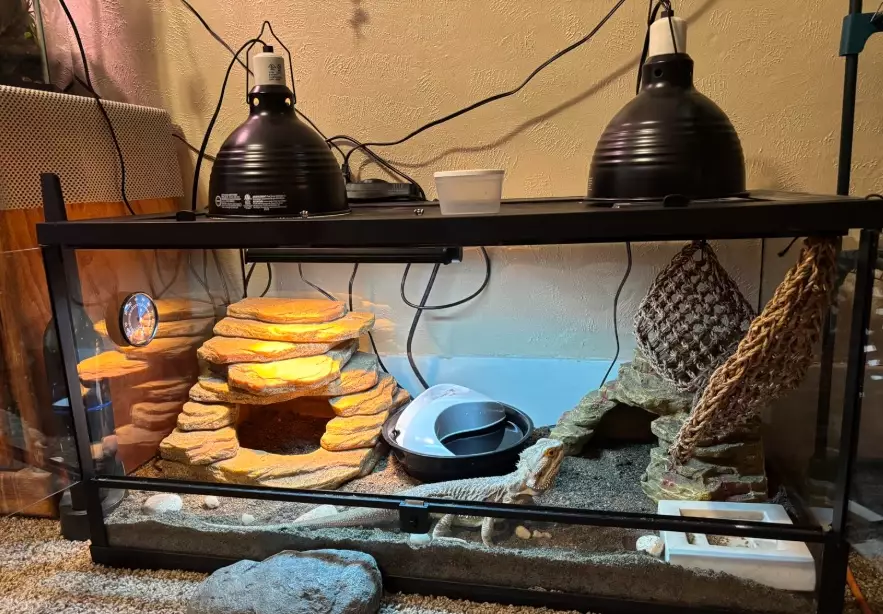
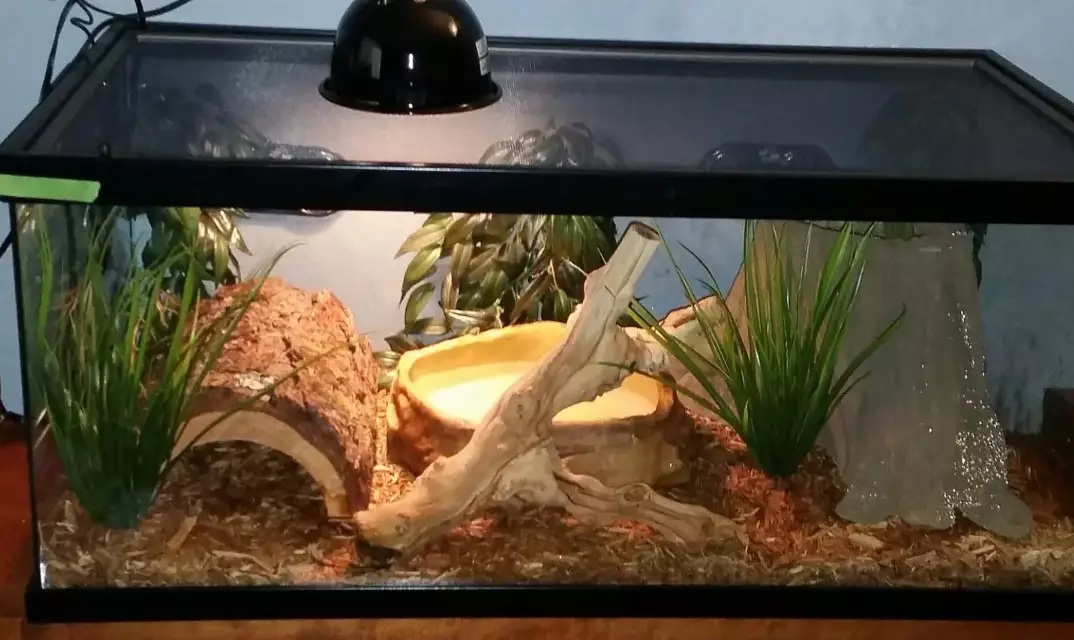
Before you buy anything, count your vents. A glass tank with a solid lid and one screen panel traps moisture like a lunchbox. I raised the screen coverage on a 40-gallon breeder from 40% to 65% and humidity dropped from 78% to 52% in five hours — no equipment, just a second mesh panel.
Then I point a small fan at the mesh from outside. Not blasting inside the tank. Outside, pulling air through. That single change dries the top layer of substrate and creates a humidity gradient the reptile can actually use.
Watch out for the classic mistake: sealing a screen lid with foil “to keep heat in” and forgetting it blocks gas exchange. Heat mats and foil lids together are a humidity trap in small tanks.
Substrate and Water Bowl Mistakes I See Weekly
The biggest offender is a giant water bowl directly over the heat mat. Evaporation plus warmth equals fog. I move the bowl to the cool end and shrink it by one size. In a 24×18×12 enclosure, a 4-inch bowl is plenty.
Substrate choice matters more than most guides admit. Coco coir holds water for days. Cypress mulch holds less. For arid species, I use a 70/30 mix of topsoil and sand and only dampen one corner. For tropical species, the issue flips — people over-mist because they are scared of drying out, and the enclosure never dries between mistings. That is when mold starts.
One non-consensus tip: do not mist right before lights-off. Humidity spikes overnight and stays locked in for eight hours. Mist in the morning and let the heat lamp do the drying work.
Species Baseline: What “Too High” Really Means
There is no universal number. A humidity level that rescues a crested gecko will give a bearded dragon a respiratory infection. Use a species-specific baseline before you act.
| Species | Target Humidity Range | Signs You Have Gone Too High |
|---|---|---|
| Leopard gecko | 30–40% (20–30% in shed hide) | Watery stool, constant hiding on cool side, skin blisters |
| Bearded dragon | 30–40% | Wheezing, glass surfing, cloudy eyes |
| Ball python | 50–60% (70% during shed) | Belly scale discoloration, refusal to eat, wet hide 24/7 |
| Crested gecko | 50–70% with a dry-out to 40% | Mold on plants, grayish skin, lethargy |
| Corn snake | 40–50% | Persistent condensation, regurgitation |
A Step-by-Step Humidity Correction Table
Here is the order I follow. Do not skip step one — many people jump to substrate swaps and miss the airflow issue entirely.
| Step | Action | Expected Humidity Drop | Time to See Result |
|---|---|---|---|
| 1 | Open or increase top-screen ventilation | 10–20 points | 2–6 hours |
| 2 | Move water bowl to cool end; reduce bowl size | 5–12 points | 6–12 hours |
| 3 | Replace soaked substrate; let top layer dry | 8–15 points | 12–24 hours |
| 4 | Add a small external fan pulling air through mesh | 5–10 points | 1–3 hours |
| 5 | Switch to a less moisture-retentive substrate | 10–18 points | 24–48 hours |
| 6 | Calibrate your hygrometer (salt test) | N/A — reveals true reading | 24 hours |
A note on step six. I have tested cheap analog hygrometers that were off by 15 points. Before you rebuild the whole enclosure, do the salt calibration test in a ziplock bag. It takes a day and saves a lot of panic.
Real Questions From Keepers Battling Wet Tanks
One last thing I tell every keeper who messages me: fix the air before you fix the water. Nine out of ten “reptile humidity too high” cases I have handled in person came down to blocked ventilation, not over-misting. Start there, give it two days, and measure again. — This article was fact-checked against published husbandry guidelines from the British Herpetological Society and the Royal Veterinary College exotic species care notes.